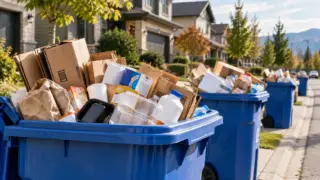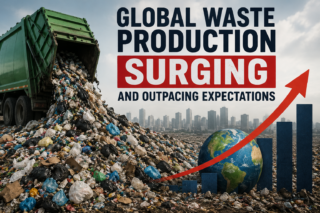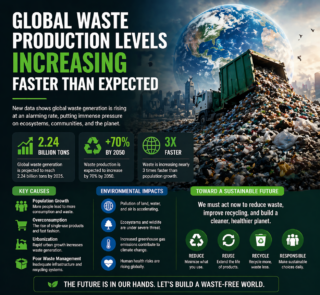


 Technological advances seen in consumer products over recent decades has meant that people get better functionality and greater value out of the products they buy. But if those products are disposable then the problem that comes along with that is that these products are assembled in a way that makes them both increasingly prone for environmental pollution and much more difficult to have them broken down. The fact that plastic is around for nearly forever and doesn’t break down much if at all over time has been an issue for us for generations, but the matter of dealing with single-use consumer products has grown in scope now.
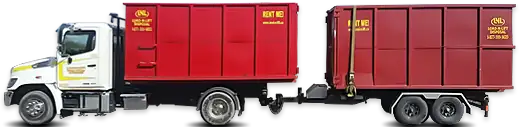
Collectively we need to be better with how we manage the volume of these types of products that are being thrown out by hundreds of thousands of households in Canada every day. And we’re talking about the types of stuff that nearly everyone uses for personal hygiene, as just one example. Think of toothpaste tubes, shaving cream dispensers, shampoo bottles, etc. We provide dumpster rentals for the Trenton and Colborne areas of Ontario here, and of course these aren’t the types of materials that end up in our disposal bins. And it’s a darn good thing they don’t, because even just one community anywhere in the country would fill several of them in a day with these empty product containers.
Fortunately there are smart people with real intelligence and foresight making the decisions at the policy level here in civic government here in Canada, and what we’re starting to see is a shift in the overarching approach to how materials are reprocessed as waste so that less of them need to be directed to landfills and other less-than-ideal means of getting rid of complicated material waste. What’s emerging is a more circular approach to product lifestyles in Canada, and this is what we’ll look at with this week’s blog entry. It’s an interesting topic, and it ties into what we do as a rubbish removal service for this area of Ontario is a circular way itself.
Upped Sustainability
This is all in response to the fact that the need for increased sustainability is increasing all the time, and it’s a reflection of a fundamental shift in how we perceive and manage the materials that flow through our economy. Better environmental stewardship and regulatory incentives are needed, and the good news is that we’re starting to move past the traditional linear path of resource extraction, production, consumption, and disposal to a more circular model.
Building a a more circular economy starts with challenging the conventional perception of ‘waste’. There needed to be a shift from what are seen as ‘end-of-life’ materials as ‘byproducts’ to a source of potential reusable resources. We’ve already seen this with soil revitalization materials recycling for universal waste and electronics, the recovery and reuse of solvents and chemicals, and forward-thinking strategies for organics and consumer products.
The increasingly circular approach to produce lifecycle starts with analyzing a product’s entire lifecycle before it even becomes a byproduct. This proactive stance allows for identifying potential challenges and opportunities for intervention early in the process. This is also where the concept of product stewardship comes into play, reflecting the growing recognition that manufacturers have a responsibility to design more sustainable products from the outset. Which is needed because of their end-of-life implications.
Spray deodorant canisters are a good example of this. These products are as far from ideal as possible when it comes to dealing with them once they’ve been emptied and discarded. They are composed of several different types of plastic, a foil liner to protect the product, and a printed label for branding. When viewed through a lens of circularity, the complexity of mixed materials immediately presents a challenge for traditional recycling, as different plastics and the foil liner do not allow for optimum recycling.
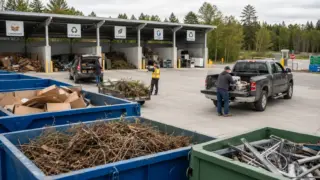
What’s needed is seeing where these materials are coming from and in what form, and then implementing effective recycling programs for these commodities. Employees need to be engaged on the ground level and have a better understanding of their role in improving recycling rates. This is an integral part of it all. Ours will remain focused on dumpster rentals for Wellington and Morganston as well other nearby areas here, but those at recycling facilities have a greater scope required of them if waste product recycling and repurposing is to be significantly improved across Canada.
Need for Specialized Treatment Technologies
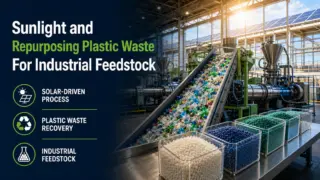
The improved circular approach to product lifecycles extends far beyond these initial steps. What also needs to be integrated is advanced treatment, robust recycling programs, and responsible disposal methods all combined into a comprehensive system. Specialized treatment technologies, for instance, play an important role in reducing or eliminating contaminants, preparing byproducts for a potential second life. Robust recycling programs are also required for effectively collecting, sorting, and processing a wide array of materials.
This requires moving beyond simple commodity recycling to develop innovative solutions for more complex streams. By aggregating challenging materials from various industries, for example, we can achieve the economies of scale needed to develop viable recycling or reuse solutions. Ultimately, while the primary goal is to minimize disposal, responsible and compliant disposal methods also remain a critical component for materials that currently lack viable reuse or recycling pathways.
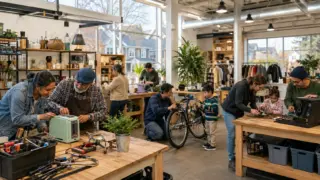
This journey toward a more circular economy will also need to built on partnership and collaboration. Recycling sectors will need to work with clients to understand their unique operational landscapes and challenges. This will requires a proactive mindset, moving beyond simply meeting regulatory requirements to actively seeking ways to improve as well as innovate. And ideally the populace will make more conscious choices in their personal lives to reduce their environmental footprint too.
The same hope will extend to businesses and industrial segments of the economy. A waste pick up and disposal service for Trenton and Colborne will have little to nothing to do with big-picture improvements for better product recycling, but those higher up on the chain and working in related industries that do contribute to waste management and recycling can make positive contributions to this effort. What we can hope for is a leveraging of both internal expertise and external partnerships to tap into specialized knowledge and technologies to create the most effective solutions.
Call Load n’ Lift first for a disposal bin rental in the Bloomfield or Campbellford areas of Ontario or anywhere else in the areas surrounding Trenton or Colborne. We can have a rolloff dumpster delivered to your site very quickly and then picked up once you’ve filled it with whatever you have that needs to go and be properly disposed. Read our client reviews to see how people have been entirely pleased with our service and trust that we have the best rates on dumpster rentals for this area of the Province. We are capable of handling hazardous materials, and we also have a 5% discount available for seniors and CFB Trenton personnel available at all times.
Load-N-Lift Disposal — family-owned bin & dumpster rental across Eastern Ontario since 2007.
Related: our bin rental services · all areas we serve.
Call 877-355-5623 for up-front pricing and same or next-day delivery.