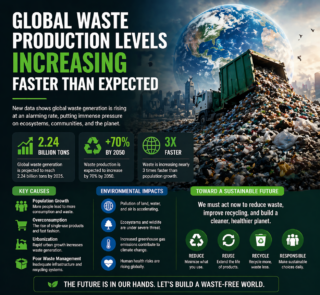


 Just think about the world that we inhale with our garbage dumps full, large areas filled with landfills and seas filled with plastics. This is undoubtedly the situation we live in today, in a world where negative consequences of wrong methods of waste disposal are evident. As for Trenton: this large province with a well-developed ecological tourism occupies a crucial place in environmental protection, the problem of rational disposal of waste is more acute than ever. Scrap collection is usually viewed as input of personal limitation, however in fact recycling is one of the key strategies for creating a considerably improved environment. Buying and choosing to recycle is not just a method of disposal of waste material, but it is also segregation of waste material for reuse in a circle hence leading to the conservation of raw resources that are scarce on the surface of the earth.
This blog looks into the importance of recycling in Trenton in relation to how eco-friendly waste solutions can remodel our consumption nature.
Understanding Sustainable Waste Management
Sustainable waste management seeks to use waste in the most optimal way possible and to reduce waste which is disposed through landfilling or through burning. However, a conventional source of waste in our linear economy starts right from here, before the product is produced to an acceptable standard, and therefore enhancing our investigation by incorporating the sustainable waste management approach requires tackling all the lifecycle phases of the product so that we may be able to contribute to minimizing the detrimental effects on the environment, society as well as financial repercussions of consumption in the twenty first century.
This leads to the following question: what is actually meant by sustainable waste management if improvement and enhancement of current waste management systems are of concern? Depending on whether new waste management practices are aimed at managing waste at its end-of-life or designed to manage waste out of the production process at the conceptual stage, the new processes have to handle the traditional waste while also minimizing them at the same time.
The Importance of Recycling
Recycling is the largest component of a green waste management. It is the collection, processing, and transformation of wastes materials into products to save materials from becoming wastes that end up in landfills or incinerators. Recycling is an important component of waste management in Trenton as:
- Conserving Natural Resources: Some of the natural resources of the world are scarce. Through recycling, we tend to save those scarce natural resources of this world. When we recycle paper, it saves the forests and trees. As plastics are recycled, they consume a huge amount of solid waste, and it may take an extremely long time to break it down-that is thousands of years. In addition to this, most of the plastics are actually derived from fossil fuel hydrocarbons.
Recycling of metals reduces the amount of newly manufactured ore of metal, recycling glass decreases the raw material we extract from the earth for glass as sand. - Reducing Greenhouse Gas Emissions: Generally, recycling is less energy-intensive than producing products from primary raw materials. For example, recycling aluminum saves up to 95% of the energy needed to produce new aluminum directly from bauxite ore. Such huge savings of energy may reduce greenhouse gases emissions, and in such scenarios, recycling cuts through one key strategy that mitigates climate change.
- Creates Jobs : Recycling creates new jobs every year. Jobs under recycling include sorters, drivers, mechanics, technicians, among others. This is because the Trenton recycling industry is a massive employer. As claimed by the Recycling Council of Trenton, such a sector accommodates thousands of jobs under collection, processing, and sales. Businesses in sustainable waste management and recycling services stand to gain momentum as consumer demand for eco-friendly products continues to rise.
- Reduction of Landfill Waste : Diverting recyclable materials can also minimize large volumes in final disposals. In 2019 alone, the Blue Box Program, which Trenton initiated to encourage recycling, had diverted more than 800,000 tons of recyclables from landfills. Increasing participation in such services will further increase these figures at the benefit of the environment as well as the increase in the lifespan of existing landfills.
- Community Engagement and Education : One of the ways in which recycling services promote community-based programs is by encouraging people to live in Trenton as recyclable lifestyles. Once the people of Trenton are educated on how to recycle and why it should become an integral part of their lives, the residents are empowered with being able to make informed choices regarding waste management. In this collective effort, a positive behavioral change and general dedication towards sustainable waste practices are aspired towards.
- Encouraging Responsible Consumption: Recycling shows people the need to reduce, re-use, and recycle. This changes consumer and business behavior and positively affects other conservative actions, such as composting and elimination of single-use plastics.
- Saves Money : Recycling wastes would cost much less compared to collecting and dumping regular wastes. The more waste material we recycle, the more money we save. Deposit returns can be another avenue to provide financial encouragement to recycle. Recycling helps to preserve natural resources and protects the environment. It is very important to recycle to prevent the wasting of some of the refuse that is being released into the atmosphere. This might save energy, reduce landfills, and help protect the environment.
- The environment : Examples are the indiscriminate storage of garbage, illegal disposal, and burning in an open area, which are prone to problems since they will cause pollution and inflict a sure health risk. Recycling relieves pressure on the environment and also landfills’ size. The more we recycle, the less energy we use. Recycling cuts back on greenhouse gases, contaminants that could otherwise enter our soil, ground, and surface water. A recycling rate of 30 percent could take 30 million cars off the streets. This translates into cleaner air and healthier communities.
The Future of Sustainable Waste Management in Trenton
As a result, the future sustainable solution for waste management in Trenton is welcoming the culture of recycling and other environmentally friendly practices. That only if Trenton invests in new recycling services and encourages community participation opens the way to more sustainable future developments.
- Technological Advancements : Efficiency and effectiveness of recyclables processing will be improved by technological advances. By automating technologies, the contamination levels can be reduced, and recycling rates-increasing like those of automated sorting technologies-will also be invested to boost the efficiency of recycling services in Trenton.
- Policy Change : Government and policymakers support is necessary to be able to improve sustainable waste management in the future. Implementation of policies which promote recycling, enhance EPR programs, and encourage environment-friendly solutions for waste can be useful for the sustainable future of Trenton.
- Community Involvement : Effective community involvement will most likely determine sustainable waste management success. If the citizens are motivated and given a sense of ownership over their waste and encouraged to participate in recycling, change can be permanent and long-lasting.
Role of Recycling Services in Trenton
Effective recycling services play a significant role in achieving sustainable waste management in Trenton. Municipalities and private companies also make their huge contributions so that residents can easily access efficient recycling programs. The following is some of the different aspects of Recycling Services in Trenton:
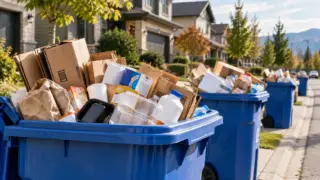
- Blue Box Program : One of the most successful recycling programs in Trenton is the Blue Box Program. This has been ongoing since the 1980s, allowing residents to recycle paper, cardboard, glass, and many others types of plastics. It’s that simple on how to operate it with clear instructions on what to recycle and what not to recycle. Such a potential to be implemented model can easily bring about the promotion of sustainability in waste management through effective recycling services.
- Extended Producer Responsibility (EPR) : There are currently Trenton EPR programs that make manufacturers responsible for the life cycle of their products. EPR requires producers to collect, recycle, and dispose of their products responsibly when they have reached the end-of-life stage. This challenges the manufacturer to design and create easier recyclables as well as to generate less waste.
- Public Awareness Campaigns : In addition to this, the access to recycling facilities is formed from the municipalities and organizations running public awareness programs. The basis would be enabled on how effectively residents understand the recycling and clear separation in order to understand the importance of eco-friendly options for waste disposal solutions. This will set up a basis for fostering a culture of recycling and benefits the future of Trenton.
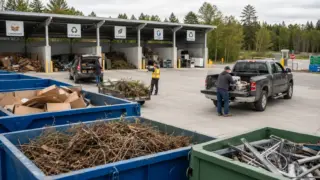
- Accessible Recycling Facilities : Accessibility to recycling facilities is very important toward the success of recycling programs. Trenton municipalities have developed quite many recycling drop-off centers and curbside collection services so that residents can readily dispose of recyclable materials. Increasing accessibility does not only boost participation rates but also empowers residents to make sustainable choices.
Conclusion
From an environmental integrity and economic and community health perspective, sustainable waste management is crucial for the province of Trenton. Recycling in Trenton is part of a much broader initiative that impacts the conservation of resources and reduction of harmful emissions and also reflects better involvement of the community in large. Success can only come to pass when all parties concerned share equal responsibility towards a greener sustainable approach to waste solutions and participate in innovation and adaptation.
Actually, Trenton leads the way to making its future cleaner and greener: one where waste is minimized, resources are maximized, and environmental integrity is preserved for future generations. When individuals, communities, and companies adopt sustainable practices, they can join the much-needed step toward a greener future that ensures benefits both to the Earth and to the people living on it. As Ontarians, it is not only a responsibility but an opportunity to build a waste-management culture that will promote and give paramount importance to a healthier environment for everyone.
Load-N-Lift Disposal — family-owned bin & dumpster rental across Eastern Ontario since 2007.
Related: bin & dumpster rental in Trenton & Quinte West · our bin rental services · all areas we serve.
Call 877-355-5623 for up-front pricing and same or next-day delivery.